Live Better, Longer: How Naturopathic Medicine & TCM Support Preventative Health
What if taking care of your health wasn't just about treating problems, but about preventing them in the first place?
Most of us have become accustomed to seeking healthcare when something goes wrong. We experience persistent fatigue, unexplained discomfort, poor sleep, or digestive problems, and only then do we begin looking for answers.
But what if we approached our health differently?
What if we invested in understanding our bodies, developing healthier habits, and building the foundations for a longer, stronger, and more fulfilling life?
That's the philosophy behind preventative healthcare, and it's an area where naturopathic medicine and Traditional Chinese Medicine (TCM) can play a valuable supporting role.
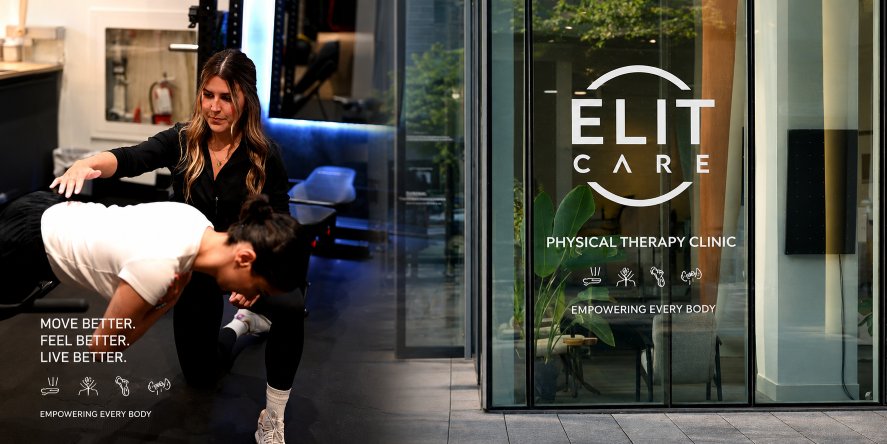
At Elit Care in Toronto's Canary District, we believe healthcare should empower you to take an active role in your well-being, not simply react to symptoms.
A Longer Life Is Great. A Healthier Life Is Better.
When we talk about longevity, it's easy to focus on the number of years we live. But there's another concept worth considering: healthspan.
Healthspan refers to the years of our lives spent in relatively good health, free from significant disease or disability.
After all, living to 90 is one thing. Being able to travel, exercise, play with your grandchildren, maintain your independence, and enjoy your favourite activities at 90 is another.
Building a longer, healthier life often comes down to the habits we develop today.
Regular physical activity, balanced nutrition, restorative sleep, stress management, meaningful social connections, and appropriate medical screening all contribute to long-term health.
The challenge? Knowing where to begin, what your body needs, and how to turn good intentions into lasting habits.
That's where personalized guidance can make a difference.
What Is Preventative Healthcare?
Preventative healthcare is about being proactive rather than reactive.
Instead of focusing exclusively on treating illness or injury, preventative care aims to identify health risks, encourage beneficial behaviours, and support well-being before more serious concerns develop.
It can include:
- Improving nutrition and developing sustainable eating habits
- Supporting healthy sleep routines and recovery
- Managing chronic stress and promoting mental well-being
- Maintaining strength, mobility, and physical activity
- Identifying health risks through appropriate medical assessments and screening
- Understanding how daily habits influence energy, digestion, and overall wellness
Preventative healthcare doesn't mean that illness can always be avoided. Genetics, age, environment, and many other factors influence our health.
Rather, it means taking meaningful steps to improve the factors we can influence.
And importantly, you don't need to be sick to start prioritizing your health.
How Naturopathic Medicine Can Support Long-Term Health
Naturopathic medicine takes an individualized, whole-person approach to healthcare, considering how nutrition, lifestyle, environmental factors, and personal health history may influence well-being.
Working with a naturopathic doctor can provide the time and guidance to explore your health goals and develop realistic strategies to support them.
1. Understanding Your Health Beyond Your Symptoms
Rather than focusing on an isolated concern, a naturopathic assessment may explore your broader health history, daily routines, dietary patterns, stress levels, sleep quality, and physical activity.
This can help identify behaviours and potentially modifiable factors affecting your well-being.
For someone hoping to improve their long-term health, this broader perspective can be a useful starting point.
2. Building a Strong Nutritional Foundation
Nutrition plays a major role in healthy aging and overall health.
A naturopathic doctor may help you explore dietary habits, nutritional adequacy, and practical changes that align with your lifestyle.
Rather than following the latest restrictive diet or wellness trend, the goal is to establish healthy eating patterns you can maintain for years.
When specialized nutrition therapy is needed, care can also be coordinated with a registered dietitian.
3. Improving Sleep and Stress Management
Sleep and stress are two important components of preventative health that are often overlooked.
Busy schedules, work demands, and family responsibilities can make it difficult to prioritize recovery.
Naturopathic care may involve reviewing sleep habits, exploring stress-management techniques, and identifying realistic lifestyle adjustments that encourage better rest.
The objective isn't to eliminate every source of stress. It's to develop healthier ways of managing it.
4. Creating a Personalized Wellness Plan
There is no single formula for healthy aging.
A 30-year-old looking to improve energy and establish healthy habits may have very different goals from a 60-year-old hoping to maintain mobility, strength, and independence.
Naturopathic medicine can help translate your individual priorities into an actionable wellness plan, with recommendations adjusted as your needs evolve.
At Elit Care, our naturopathic medicine services focus on personalized guidance, education, and supporting patients in making informed decisions about their health.
How Traditional Chinese Medicine (TCM) Fits Into Preventative Wellness
Traditional Chinese Medicine is a healthcare system with a history spanning thousands of years.
TCM traditionally approaches health through the relationships between different aspects of the body and uses concepts such as balance, Qi, and patterns of disharmony to guide treatment.
These concepts belong to the traditional framework of TCM and are not the same as modern biomedical explanations of health.
Today, TCM practitioners may incorporate techniques such as acupuncture, lifestyle guidance, movement practices, and traditional dietary recommendations.
For someone interested in preventative wellness, TCM can offer another perspective on developing supportive routines and addressing certain health concerns.
1. Acupuncture as Part of a Broader Wellness Plan
Acupuncture is one of the most recognized treatments associated with Traditional Chinese Medicine.
Research suggests acupuncture may provide benefits for some conditions, particularly certain types of chronic musculoskeletal pain and headaches.
For individuals whose discomfort makes it difficult to stay active, appropriate pain-management strategies may help them participate more comfortably in exercise and everyday activities.
Although acupuncture is sometimes promoted for general wellness and longevity, there is not currently strong evidence that routine acupuncture treatments extend lifespan or prevent chronic disease in otherwise healthy individuals.
Its value is best considered in relation to your specific health concerns and goals.
2. Encouraging Greater Awareness of Your Health
TCM consultations may consider factors such as sleep, appetite, digestion, emotional well-being, activity, and everyday routines.
This type of conversation can encourage people to pay closer attention to their health and recognize when certain habits might benefit from adjustment.
Developing that awareness can be an important part of maintaining a proactive approach to wellness.
3. Supporting Sustainable Daily Habits
Traditional Chinese Medicine often emphasizes regular routines, appropriate rest, mindful movement, and attention to lifestyle patterns.
Practices such as tai chi and qigong may complement a healthy lifestyle by encouraging gentle movement, coordination, balance, and relaxation.
These habits can be particularly relevant for individuals seeking to maintain physical function and well-being as they age.
At Elit Care, our Traditional Chinese Medicine services provide individualized care that can complement your broader healthcare and wellness routine.
Naturopathic Medicine and TCM: Better Together?
Although naturopathic medicine and Traditional Chinese Medicine come from different healthcare traditions, both can encourage patients to consider their health more broadly.
Their approaches may complement one another when used appropriately and coordinated with conventional medical care.
For example, someone interested in improving their long-term health might work with a naturopathic doctor on nutrition, sleep habits, and lifestyle goals, while consulting a TCM practitioner about acupuncture for an ongoing pain concern.
The intention isn't to accumulate as many treatments as possible.
It's to identify which approaches are genuinely useful for you, avoid unnecessary interventions, and create a practical plan that supports your goals.
Any supplements or herbal products should be reviewed for safety, potential side effects, and interactions with medications. Naturopathic medicine and TCM should complement—not replace—appropriate primary care, vaccinations, recommended screenings, or necessary medical treatment.
Five Habits That Can Help You Build a Healthier Future
Whether you choose to explore naturopathic medicine, Traditional Chinese Medicine, or neither, there are several evidence-supported habits worth prioritizing.
1. Move regularly and build strength. Combine cardiovascular activity with resistance training to support heart health, muscle mass, mobility, and independence as you age.
2. Eat for long-term health. Prioritize a varied diet rich in vegetables, fruits, whole grains, protein sources, and healthy fats.
3. Protect your sleep. Develop consistent sleep habits and make adequate rest part of your daily routine.
4. Find healthy ways to manage stress. Make time for relaxation, enjoyable activities, supportive relationships, and practices that help you recharge.
5. Stay engaged with your healthcare. Keep up with recommended screenings, vaccinations, and medical assessments appropriate for your age, history, and risk factors.
The good news is that you don't need to change everything overnight.
Small improvements, repeated consistently, can become the foundation for meaningful long-term change.
Why Wait Until Something Goes Wrong?
One of the biggest misconceptions about healthcare is that you need to have a specific problem before seeking professional guidance.
You don't.
Perhaps you're generally healthy but want to improve your energy, manage stress more effectively, develop better eating habits, or support healthy aging.
Perhaps you've realized that the routines that worked in your twenties no longer work quite as well in your forties.
Or perhaps you simply want to be more intentional about your health.
Those are all reasonable motivations for exploring preventative healthcare.
A consultation can help you evaluate your current habits, discuss your concerns, and determine whether additional support would be worthwhile.
Your Future Health Starts With What You Do Today
Living a long and healthy life isn't about finding a miracle treatment, taking dozens of supplements, or following every new wellness trend.
It's about building a strong foundation, understanding your individual needs, and developing habits that support your body over time.
Naturopathic medicine and Traditional Chinese Medicine can be part of that journey, offering personalized education, guidance, and selected complementary treatments when appropriate.
At Elit Care in Toronto's Canary District, our multidisciplinary team believes in helping people take an active role in their health—whether they're recovering from an injury, managing an ongoing concern, or simply looking to feel their best for years to come.
You don't have to wait until something hurts to start taking care of yourself.
Ready to Invest in Your Long-Term Health?
Whether you're curious about naturopathic medicine, interested in acupuncture or Traditional Chinese Medicine, or simply looking for guidance on healthier living, our team is here to help.
Explore our services, ask questions, and discover what a personalized approach to preventative healthcare could look like for you.
Explore Traditional Chinese Medicine
Book an Appointment at Elit Care
Elit Care | 412 Front Street East, Toronto — Serving the Canary District, Distillery District, Corktown, and surrounding downtown Toronto communities.
This article provides general educational information and does not replace individualized medical advice, diagnosis, or treatment.